What Sindongjin rice is (RDA Nongsaro variety data), how it differs from Jeonnam Saecheongmu and Gyeonggi Koshihikari, Coupang 20kg retail prices on November 2, 2026 against KAMIS rice wholesale prices on October 30, how to read a rice bag, and the government decision to keep supplying Sindongjin seed in 2027.
Search for a 20kg bag of rice in Korea and the variety comes first: Sindongjin, Saecheongmu, Koshihikari. The same 20kg can differ by more than KRW 20,000.
Bottom line: Sindongjin is Jeonbuk’s flagship variety, known for large, chewy grains. On November 2, 2026, Coupang listed Sindongjin 20kg bags mostly at KRW 62,000–70,000, Saecheongmu at KRW 63,000–68,000 and Koshihikari at KRW 80,000–93,000. KAMIS does not split rice by variety; its top-grade 20kg wholesale price was KRW 59,500 in Seoul on October 30 (new-crop rice KRW 62,000). The government will keep supplying 700 tonnes of Sindongjin seed in 2027 and keep it eligible for public stockpile purchases.
Earlier records: rice storage containers and rice price per mal.
1. What Sindongjin is
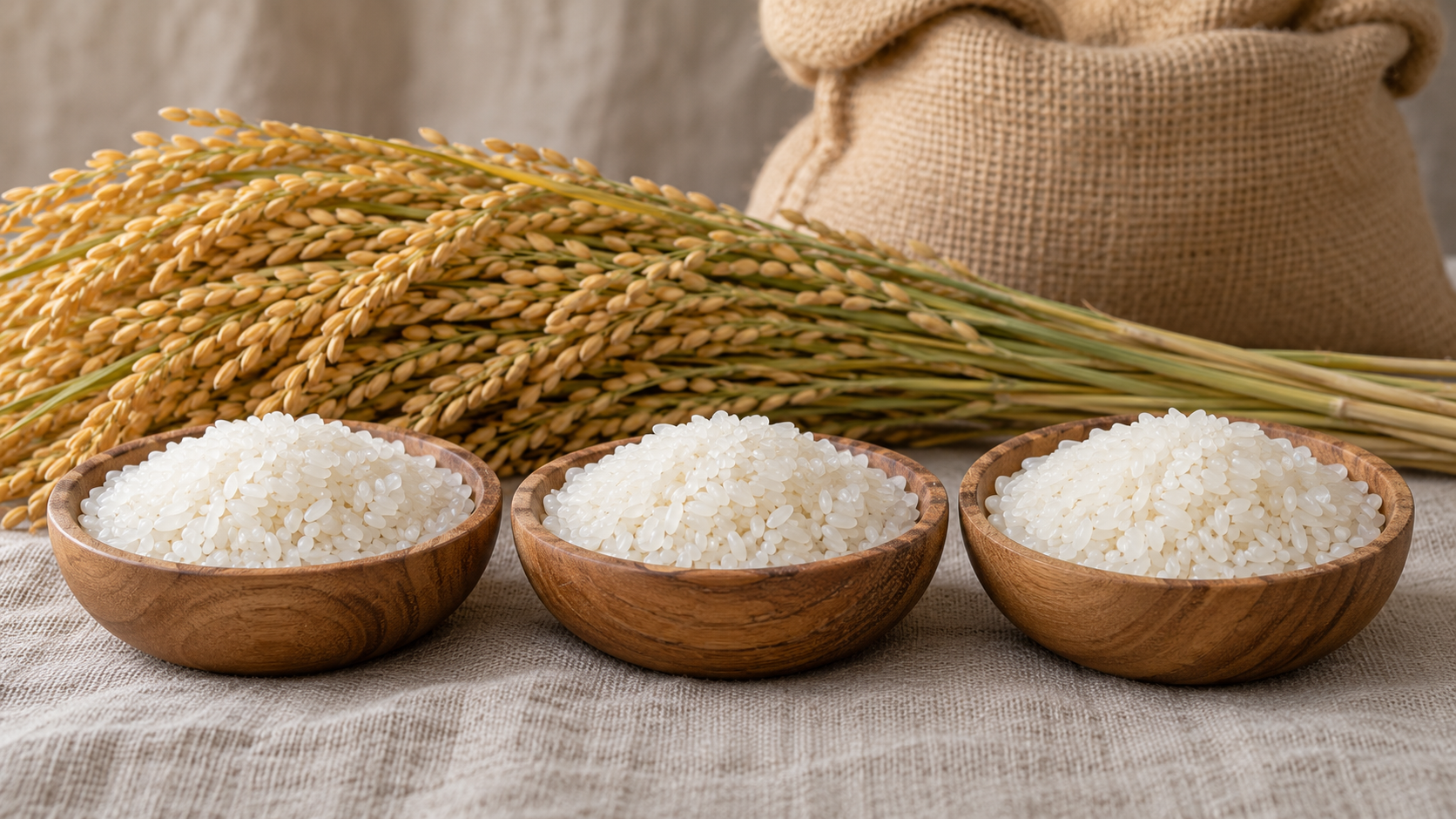
According to RDA’s Nongsaro, Sindongjin was bred by the Honam Agricultural Research Institute and named in 1999. It is a mid-late variety heading in mid-August, about 80cm tall, with heavy kernels. It tasted better than its parent Dongjin and yielded 596kg per 10a, 14% more.
2. Three varieties compared
| Variety | Main origin of products | Notes | Coupang 20kg, Nov 2 |
|---|---|---|---|
| Sindongjin | Gimje, Jeongeup, Iksan | Large, chewy grains; bred 1999 | 62,000–69,900 |
| Saecheongmu | Yeonggwang, Gangjin, Damyang | Bred by Jeonnam ARES; about 62% of Jeonnam paddy (YTN, Oct 2025) | 62,900–67,900 |
| Koshihikari | Gimpo, Ganghwa | Japanese variety used for Gyeonggi brands | 79,800–92,800 |
3. Against wholesale
Seoul new-crop wholesale at KRW 62,000 sits only KRW 0–8,000 below Sindongjin retail, so the name premium is small after delivery and packaging. Koshihikari is KRW 20,000–30,000 above. Daily prices: /prices/rice/, /prices/new-crop-rice/.
4. Reading the bag
Check the production year (2026 for new crop), the variety field (a single variety vs “mixed”), the milling date (closer is better), and the grade, which describes grain quality rather than variety.
5. For growers
In 2023 the agriculture ministry moved to restrict public purchases of Sindongjin and phase out its government seed, citing high yields and disease weakness. Seed supply fell from 2,000 tonnes in 2023 to 510 tonnes in 2026. On December 29, 2025, the ministry reversed course: 700 tonnes of seed in 2027, and Sindongjin stays eligible for public stockpile purchases, because the replacement “Sindongjin 1” needs more time to settle in. Supply after 2028 will depend on that. Apply for seed on time, check which varieties your county buys for the stockpile, and trial Sindongjin 1 in fields with blast or bacterial blight problems.
References
- RDA Nongsaro, Sindongjin variety profile: nongsaro.go.kr
- eToday, December 29, 2025: etoday.co.kr
- The Fact via Nate News, December 30, 2025: news.nate.com
- aT KAMIS mid-wholesale prices, rice and new-crop rice 20kg, October 2026.
- Coupang Partners search results, November 2, 2026.