Why Solar Permits Vary by Municipality (Permit-Friendly Regions)
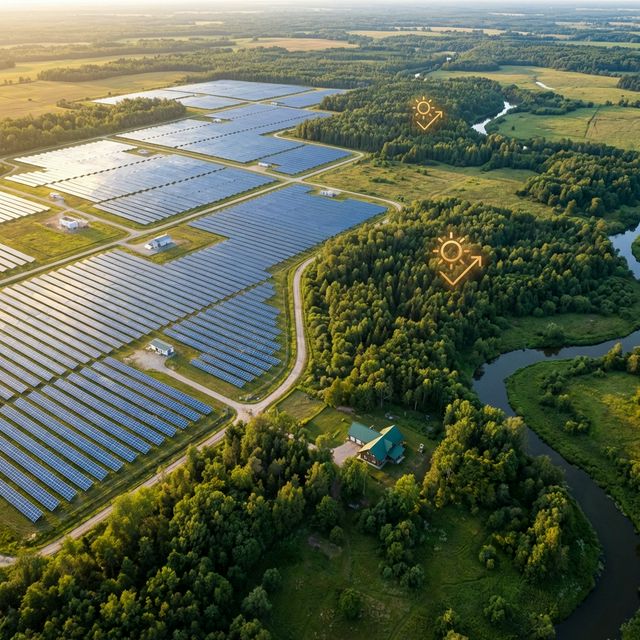
Same business plan, same land. But in City A, the permit comes through in 2 months. In County B, it sits on hold for over a year. Why? Because every municipality has different ordinances. The law is the same, but the reality on the ground varies wildly. A single complaint, a single line in an ordinance can save or kill a project. If you know the characteristics of permit-friendly regions, you can target them from the start.
1. Setback Distance Ordinances — The Biggest Variable in Permitting
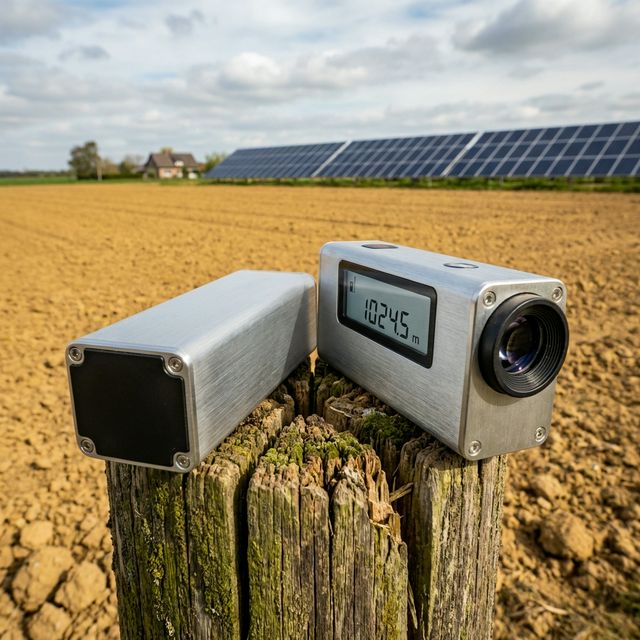
The number-one driver of municipal permit differences is setback distance regulations.
Out of 226 basic municipalities (city/county/district) nationwide, 139 (61%) have setback distance ordinances for solar generation facilities. 100m from residential areas, 200m from roads. But these numbers vary wildly by municipality.
-
Permit-friendly regions: No setback distance or at government-recommended levels (100m from residential, 0m from roads)
-
5 municipalities including Dongducheon and Yeoncheon in Gyeonggi had relaxed to government recommendations as of 2024
-
Rural-focused areas like Imsil and Gochang in Jeonbuk have no ordinances or very loose ones
-
Permit-difficult regions: Setback distances over 1km
-
Uljin and Cheongsong in Gyeongbuk (1km from residential, 1km from roads)
-
Gurye, Wando, and Jangheung in Jeonnam (over 1km from roads)
-
Some western Gyeongnam municipalities (Jinju is strict; Hamyang recently relaxed)
The legal basis for setback ordinances is Article 58 of the National Land Planning Act. Municipalities can set them through urban planning ordinances. The government issued recommendations in 2023, but only 15 municipalities adopted them. The rest still cling to their own ordinances.
2. Five Common Characteristics of High-Approval Regions
Data reveals patterns. Municipalities with easy permitting share these traits.
Trait 1: Relaxed or Abolished Setback Ordinances
- Following government recommendations: Only 5 municipalities including Dongducheon and Yeoncheon in Gyeonggi
- Rural areas with no ordinances: Imsil, Gochang, Sunchang in Jeonbuk
- Recently relaxed: Hamyang County (western Gyeongnam), some Chungbuk areas
Trait 2: Ample KEPCO Grid Capacity
Solar-dense regions (Jeonnam, Jeonbuk, Jeju) are reluctant to permit due to grid saturation. In contrast:
- Northern Gyeonggi (Yeoncheon, Pocheon, Dongducheon): Large grid headroom, high demand near Seoul
- Parts of Chungcheong (Goesan and Boeun in Chungbuk): Lots of farmland, few power plants
- Gangwon-do mountain areas: Less landscape concern, farming-centered

Trait 3: Strong Mayoral/County Head Commitment
The head of municipality’s attitude toward solar is decisive.
- Positive leadership: Mayors who campaigned on “increasing farm income through solar” (Imsil county head, Gochang county head)
- Negative regions: Those emphasizing “preventing sprawl development” (Uljin, Cheongsong, Gurye)
After the 2025 local elections, county heads approaching re-election are leaning toward deregulation. Political inclination affects permit rates.
Trait 4: Active Demonstration Sites and Support Programs
Municipalities that have hosted government demonstration projects have lower permit barriers.
- Yeongam, Jeonnam: Agrivoltaics demonstration success → follow-up project permits come easily
- Eumseong, Chungbuk: Active participation in rural solar support programs
- Yangju, Gyeonggi: Leading RE100 village projects
Trait 5: High Community Acceptance in Rural Areas
Not suburban — genuinely rural.
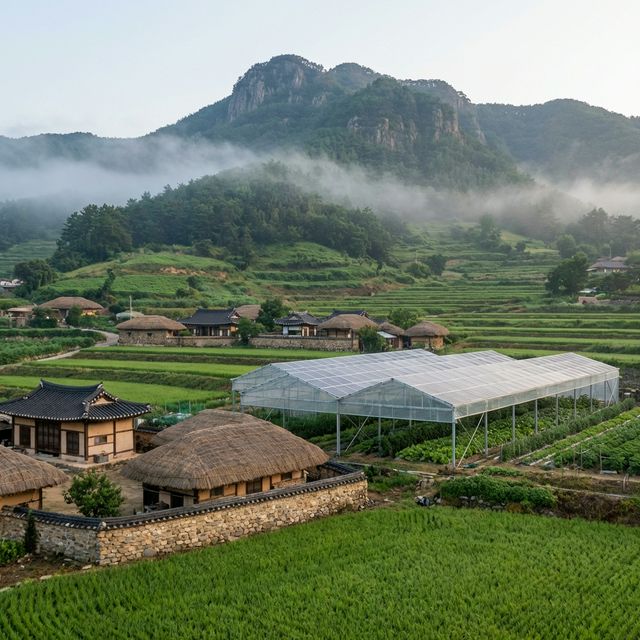
- Mountain villages with severe population decline: Welcome “young people moving in + income generation”
- Areas with active village-level cooperatives: Prefer community-participation business models
- Pure agricultural regions (not tourist destinations): Few landscape complaints
3. Characteristics of Permit-Difficult Regions — Places to Avoid
Conversely, steer clear of these from the start.
- Solar-saturated regions: Jeonnam (Hwasun, Wando), Jeonbuk (parts of Imsil), eastern Gyeongbuk (Uljin, Yeongdeok). Grid saturation + complaint explosion
- Tourist/resort areas: Jeju, Gangwon-do resort zones, Hadong in Gyeongnam (archipelago landscape concerns)
- Politically sensitive regions: Pre-election areas, regions with active environmental groups
- Setback distances over 500m: When measured from roads and residential areas, over 500m kills business viability
4. Real Cases — Permit Rate Differences by the Numbers
As of 2024, municipal solar business permit statistics show stark gaps.
-
Permit rate 80%+ (easy regions):
-
Yeoncheon, Gyeonggi: 92 applications → 85 approved
-
Gochang, Jeonbuk: 67 → 58
-
Goesan, Chungbuk: 45 → 41
-
Permit rate 30% or below (difficult regions):
-
Uljin, Gyeongbuk: 23 → 5 (1km setback distance)
-
Gurye, Jeonnam: 18 → 3
-
Parts of Jeju: 50 → 12 (grid saturation)
The western Gyeongnam case is textbook. Jinju has strict setback distances → low permit rate. Neighboring Hamyang recently relaxed → permits surging.
5. Five Steps to Finding Permit-Friendly Regions
Avoid randomly buying land and getting your application shelved.
Step 1: Check the Ordinance First
- Self-Governing Legislation Information System (elis.go.kr) → Search your city/county for “solar” and “setback distance”
- Prioritize areas with no ordinance or residential setback of 100m or less
Step 2: Check Permit Statistics
- City/county website announcements → Search “solar permit” for the past year
- Select areas with many permits and few deferrals
Step 3: Check KEPCO Grid Availability
- KEPCO website → Distribution facility availability inquiry
- Prioritize areas with 0 queue volume
Step 4: Check Local Networks
- Contact local farming cooperatives and solar contractors directly
- Ask: “Any recent permit approvals?”
Step 5: Gauge the County Head/Staff Commitment
- Call the renewable energy officer at the city/county office
- Ask directly: “Are there plans for solar permits this year?“
6. Future Trends — Moving Toward Relaxation
Municipal permit gaps are narrowing. Three reasons.
- Government pressure: Additional REC weighting and bonus points for convergence projects to municipalities that relax setback distances
- Farm demand: Growing need for “sunshine income” amid rural aging
- Special legislation push: If the Agrivoltaics Special Act passes, municipal discretion shrinks
By the second half of 2026, municipalities with relaxed ordinances are projected to exceed 30. The ones relaxing now will be future winners.
Municipal permit gaps aren’t random. They’re the result of ordinances, grid capacity, politics, and community dynamics all intertwined. Target the right places from the start. Rushing in because land is cheap, only to hit a permit wall — that just piles on losses.
This article is based on National Assembly Research Service “Solar Setback Distance Regulation Status” reports, Self-Governing Legislation Information System ordinance analysis, KEPCO grid data, etc. as of February 2026. Municipal ordinances are subject to change at any time — always verify the latest before proceeding.
#SolarPower #MunicipalOrdinances #SetbackDistanceRegulation #RenewableEnergy #Agrivoltaics #SmartFarm #RuralMigration #Investment