Agrivoltaics Installation Cost Breakdown (100kW System, Real Quotes)
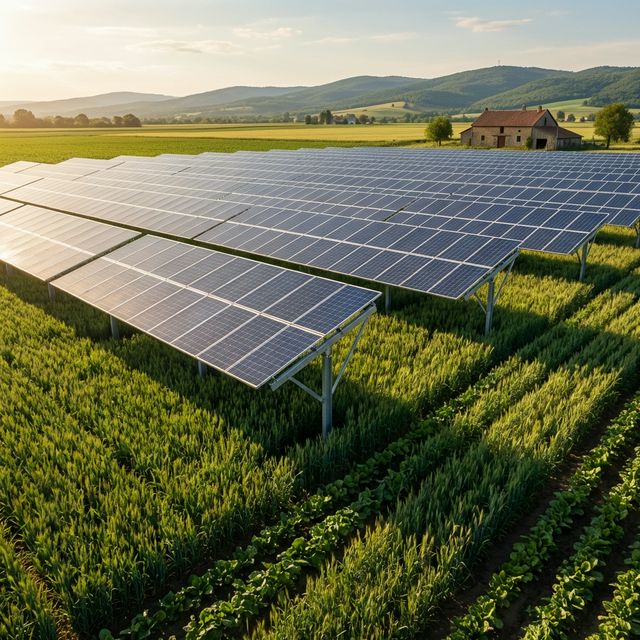
A 100kW agrivoltaics system. Farming and power generation, simultaneously. But the cost? It’s 1.3 to 1.5 times more expensive than a standard ground-mounted system. Why? Because the mounting structure must be raised over 3 meters to let farm machinery pass underneath, and panels need wider spacing. Let’s break down the real quotes as of February 2026. VAT excluded, land and grid connection costs separate. The numbers look intimidating. Let’s unpack them one by one.
Average total installation cost: $115,000-$150,000 USD ($1,150-$1,500/kW). As of late 2025, hybrid modules push you toward the upper end, Chinese-made modules toward the lower. Recent module price drops have cut costs by 10%. But civil engineering costs remain flat.
1. Complete Cost Breakdown (100kW, VAT Excluded)
Below are the averaged quotes from 3 contractors received in late 2025. These are real numbers.
| Item | Details | Unit Cost | Total (100kW) | Share |
|---|---|---|---|---|
| Solar Modules | N-type TOPCon 585W (172 units) | ~$190/unit | ~$32,700 | 27% |
| Inverter | 100kW hybrid (ESS-compatible) | - | ~$9,100 | 8% |
| Mounting Structure | C/S & H-beam pillars + forged brackets, 3.2m height | ~$3,800/10kW | ~$38,000 | 31% |
| Civil & Foundation | Concrete foundation (990m²) | ~$9/m² | ~$7,600 | 6% |
| Electrical Work | Wiring, grounding, protection relays | - | ~$6,100 | 5% |
| Design & Permits | Survey, blueprints, legal fees | - | ~$5,300 | 4% |
| Miscellaneous | Monitoring, CCTV, distribution panel | - | ~$3,800 | 3% |
| Transport & Labor | - | - | ~$7,600 | 6% |
| Total | - | - | ~$125,000 | 100% |
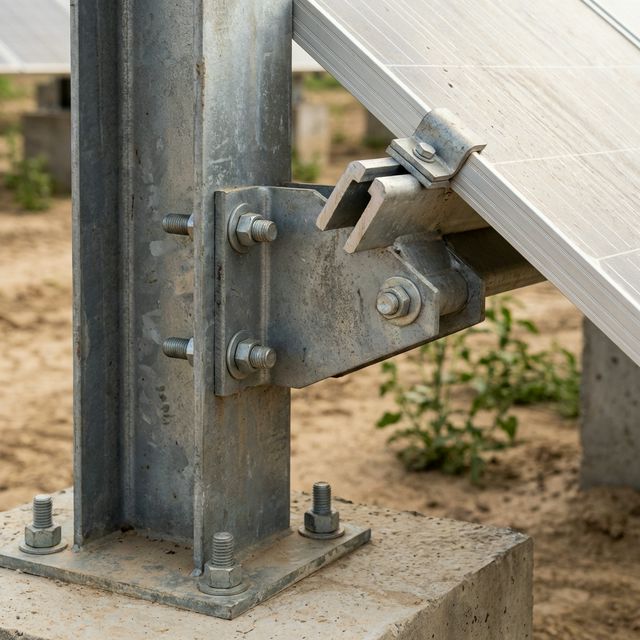
For reference: a standard ground-mount system costs ~$83,000. Agrivoltaics is 50% more expensive. The mounting structure (31%) is the biggest cost driver. Pillars must be spaced 6m+ apart and over 3m high to allow tractors to pass.
2. Detailed Cost Analysis - Where Does the Money Go?
Solar Modules (27%, ~$32,700)
- Specs: N-type TOPCon 585W × 172 units = 100.6kW. 23%+ efficiency.
- Price trend: Dropped from ~$230/unit (2024) to ~$190/unit (2025). Chinese-made LONGi/JA Solar are the cheapest.
- Tip: Stick with Tier 1 manufacturers. 30-year linear degradation warranty. Bifacial modules boost output by 10%.
- Real quote examples: Contractor A “$31,800”, B “$34,100” (JA Solar vs Canadian Solar).
Inverter (8%, ~$9,100)
- Specs: SMA Sunny Tripower 100kW. 4 MPPT inputs, ESS-compatible.
- Why expensive: Agrivoltaics requires IP65+ rating for dust and humidity from farming.
- Alternatives: Huawei SUN2000 (
$7,600). Domestic LS brand ($9,900). - Quote variance: Contractor C “$8,300” (Chinese-made).
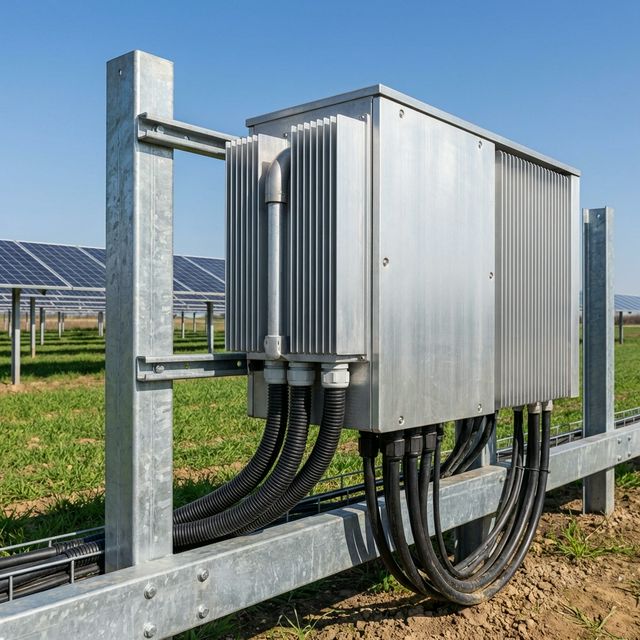
Mounting Structure - The Biggest Cost (31%, ~$38,000)
- Specs: C/S-type pillars (114mm diameter, 4mm thick) × 200 units + forged brackets.
- Why so expensive: 3.2m height, 2.5m tractor clearance width. Wind load and snow load engineering required.
- Cost breakdown: Pillars $15/unit × 200 = $3,000, Brackets $150/unit × 200 = $30,000.
- Cost-saving tip: Aluminum lightweight frames instead of H-beams (10% savings, verify durability).
Civil & Foundation (6%, ~$7,600)
- 990m² concrete foundation, 20cm thick. ~$9/m².
- Weak ground conditions? Add pile driving: +$3,800.
- Quote example: “Civil $6,800 + survey $760”.
3. Real Quotes Comparison from 3 Contractors (100kW Agrivoltaics)
Quotes received December 2025. Land and grid costs excluded.
| Contractor | Modules | Inverter | Structure | Civil | Electrical | Total | Notes |
|---|---|---|---|---|---|---|---|
| Co. A (Large) | LONGi 585W | SMA | C/S high-strength | $8,300 | $6,800 | $138,000 | 30yr warranty, ESS option |
| Co. B (Mid-size) | Jinko | Huawei | H-beam aluminum | $6,800 | $6,100 | $127,000 | 25yr warranty, budget |
| Co. C (Local) | Trina | GoodWe | C/S standard | $7,200 | $6,400 | $120,000 | Civil included, cash discount |
Average: ~$129,000. Large contractors cost more but provide stability. Local contractors are cheaper but verify after-sales service.
4. 7 Cost-Saving Tips (Cut 20% in Practice)
- Choose Chinese Tier 1 modules: LONGi/JA at ~$150/unit. Korean-made costs 1.5x more.
- H-beam + aluminum structure: $30,000 → $26,500 (verify durability testing).
- Chinese inverter: Huawei $7,600. Even cheaper without ESS.
- Competitive bidding for civil work: Compare 3 quotes. Push to ~$7.5/m².
- Cash payment discount: 5-10% off.
- Government subsidies: Korea Energy Agency convergence program ~$22,700 subsidy.
- Village group purchase: 10% off.
With successful cost reduction, you can reach ~$106,000 total.
5. Hidden Costs - Don’t Forget These
Grid connection fee: $7,600-$22,700. At 300m distance, ~$12,900.
- Permit fees: Survey $760, legal $2,300, farmland permit $760 = ~$3,800.
- Annual insurance & monitoring: ~$1,500.
- Demolition & restoration (after 8 years): ~$22,700 deposit required.
Total project cost: Installation $129,000 + Grid $15,200 + Permits $3,800 = over $150,000.
6. Subsidies to Reduce Costs ($22,000-$38,000)
Government subsidies:
- Convergence support: ~$230/kW, 100kW = ~$22,700.
- Rural solar program: up to ~$15,200.
Local government: Jeonnam/Jeonbuk provinces add ~$7,600.
Net cost: $129,000 → ~$91,000 (30% reduction).

7. Revenue & Payback Period
Annual generation: 130,000 kWh based on Chungnam region (1,300 peak sun hours).
- SMP (System Marginal Price): ~$0.086/kWh × 130,000 = ~$11,200/yr.
- REC (Renewable Energy Certificate): ~$54/MWh × 130 = ~$7,100/yr.
- Crop revenue: ~$2,300/yr.
- Total annual revenue: ~$20,600.
Payback period: $129,000 ÷ $20,600 = 6.3 years. With subsidies, 5 years.
IRR 12-15%. Solid.
A 100kW agrivoltaics system runs about $129,000. The mounting structure is the key cost driver. Get 3 quotes, claim subsidies, apply cost-saving tips, and your net investment drops to ~$91,000. 6-year payback. Trust the numbers and go for it.
Based on Korea Energy Agency pricing, contractor quotes, and YouTube case studies as of February 2026. Module prices fluctuate significantly - always get updated quotes.
#Agrivoltaics #SolarFarming #SolarCost #RenewableEnergy #SmartFarm #SolarROI #AgriTech #CleanEnergy